
Newsletter Article
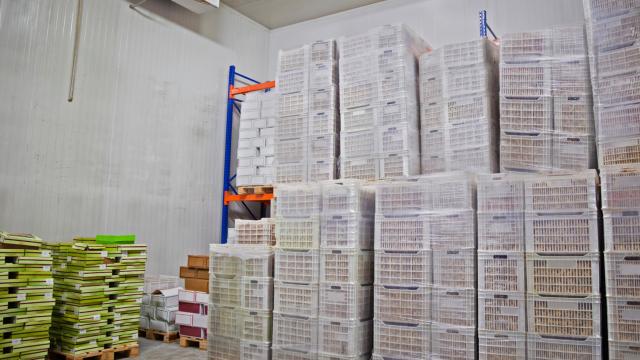
Today's refrigeration equipment is much more efficient than older models. That's due in large part to federal energy efficiency requirements. The Energy Policy and Conservation Act and later amendments set forth a variety of provisions designed to improve equipment energy efficiency, including walk-in coolers and freezers.
The following is a list of federal efficiency requirements which have resulted in significant energy savings:
- Automatic door closers that firmly close all walk-in doors
- Air infiltration protection for open doors
- Double-pane glass for reach-in doors and windows with heat-reflective glass and gas fill
- Triple-pane glass with either heat-reflective glass or gas fill
- Electronically commutated (EC) motors for fans
- Minimum efficacy of 40 lumens per watt for interior lights
- Maximum power draw for anti-sweat heaters around windows and door frames
Efficiency standards are based on annual walk-in energy factor (AWEF); the ratio of the heat removed (in Btu) from a walk-in envelope to the total refrigeration energy input (in watt-hours) over a one-year period. The higher the AWEF number, the better.
Cool savings for existing equipment
These measures can help improve the energy performance of existing walk-in coolers and freezers:
Install floating head pressure controls, which allow the compressor pressure to vary with outdoor conditions. The condensing temperature can fall from 90°F to 95°F down to 70°F. The compressor has to do less work at lower pressures. This improves system efficiency and extends the life of the compressor.
Use hot gas defrost. During the hot gas defrost process, the evaporator temporarily becomes a condenser. The latent heat released from the condensations of gas to liquid is used.
Minimize defrost convective heat losses. Use the lowest possible defrost regulator setting; 75 to 90 psig (50°F to 60°F) should be adequate.
Shorten defrost duration. Use top feed or direct expansion evaporator feed to reduce the time required for pump out. Open the hot gas solenoid only long enough to clear the coil. Install a separate hot gas solenoid and defrost regulator for heating of the pan loop
Match the number of defrosts to the frost load. Choose evaporators with wide fin spacing (only 3 instead of 4 fins per inch) and large secondary fin surface area to maximize frost carrying capacity.
Use demand defrost controls. Demand controls initiate defrosting in a variety of ways, including measuring the temperature or pressure drop across the evaporator, measuring frost accumulation and sensing humidity. All of these methods, if used properly, are more effective than using a simple timer to initiate defrosting.
Recover heat with desuperheaters. Superheat is heat stored in the refrigerant vapor when it's heated above its evaporation temperature. A desuperheater heat reclaim device in series with the normal condenser cools the refrigerant only to the saturation point; no condensing takes place. This is controlled by a heat reclaim valve. A desuperheater can remove up to 30% of the total heat that typically would have been rejected by the condenser. This reclaimed heat is used for space or water heating.
With these upgrades and energy-saving measures, your refrigeration system will meet the highest standards in energy savings and efficiency.
Let LADWP help you with the cost of your refrigeration retrofits and replacements. Our Commercial Direct Install Program can assist with refrigeration measures, EC motors, LED case Lighting, and door closers. Need a more custom retrofit of your refrigeration system? Try our Business Offerings for Sustainable Solutions (BOSS) Program, which can pay up to 100% in incentives after the completion of the project (terms and conditions apply).
October 2025 Empowering Small Business
LADWP's monthly Empowering Small Business Newsletter helps inform industry-specific small business customers about LADWP news, conservation programs and ways to save on their bill.
Full Newsletter