
Newsletter Article
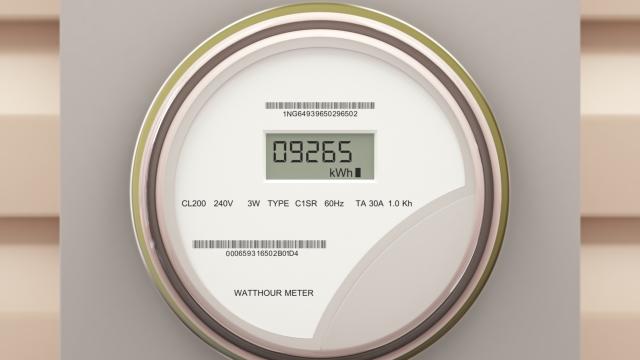
There are a lot of misconceptions out there when it comes to smart meters. As LADWP rolls out its advanced metering infrastructure, let's get the facts behind four common myths about this technology.
LADWP has built on the knowledge gleaned from the Smart Grid LA Program launched in 2013 which installed 52,000 smart meters. As of September 2025, we started deploying our advanced metering infrastructure which will continue over the next several years. It will include the gradual replacement of 1.5 million meters with smart meters and the integration of our communications network and data management systems.
By now, you've probably heard a lot about smart meters (also known as advanced meters) and what they do and don't do. Smart meters can help you use power more efficiently, conserve energy and save money. But do they have any of the downsides you've been hearing about? Let's set the record straight about four common smart meter myths.
Myth 1: Smart meters aren't as accurate as analog meters
All meter manufacturers are required to test for accuracy and provide their test results, and they must follow the performance standards set by the American National Standards Institute. Before a smart meter even reaches your property, you can be sure it will provide on-the-mark measurements. Plus, these digital meters can transmit energy use information back to your energy company quickly and efficiently, keeping you all in the loop.
Myth 2: Smart meters don't keep data secure
Customer electricity usage and meter information is sent over a dedicated two-way LADWP communication network using advanced security and encryption technology to keep your data safe, and that won't change once your business has a smart meter. Plus, these meters only measure how much energy you use and when you use it. Unless you add an energy management system to get more information about how you use energy, smart meters can't tell which appliances, equipment, and electronics draw the power.
Myth 3: Smart meters increase the risk of fire and other hazards
If installed by a trained professional exercising standard safety precautions, smart meters are safe. Plus, before being installed, smart meters undergo rigorous testing to ensure they operate correctly and meet the requirements and standards set by the National Electric Safety Code. Manufacturers also run tests to show that they are resistant to heat, fire, voltage surges and self-heating.
Myth 4: Installing smart meters is a waste of time
Though it may take some time to get everything switched over, smart meters help us bring the benefits of a modernized grid to your doorstep. Once activated, smart meters improve power outage notification and provide close to real-time energy usage information, which you can use to make your business more efficient — and save money.
What to expect with advanced meter installation
There will be no fee for the new advanced meter or installation, which typically takes about 10 minutes. You will receive advance notice via email or a USPS mailer before the installation begins. After an installation attempt, you will also get an on-site notification through a door hanger. Our LADWP employees, who will be in uniform and carry official ID badges, will need access to your meter, but you do not need to be present. Your account details and billing process will remain unchanged.
For more details about LADWP's advanced metering rollout and the technology behind it, visit Advanced Metering Infrastructure.
There are countless benefits to creating a smarter, more efficient electric grid; increased reliability, convenience and control are just a few — and smart meters will play a key role in that future grid.
January 2026 Empowering Small Business
LADWP's monthly Empowering Small Business Newsletter helps inform industry-specific small business customers about LADWP news, conservation programs and ways to save on their bill.
Full Newsletter